
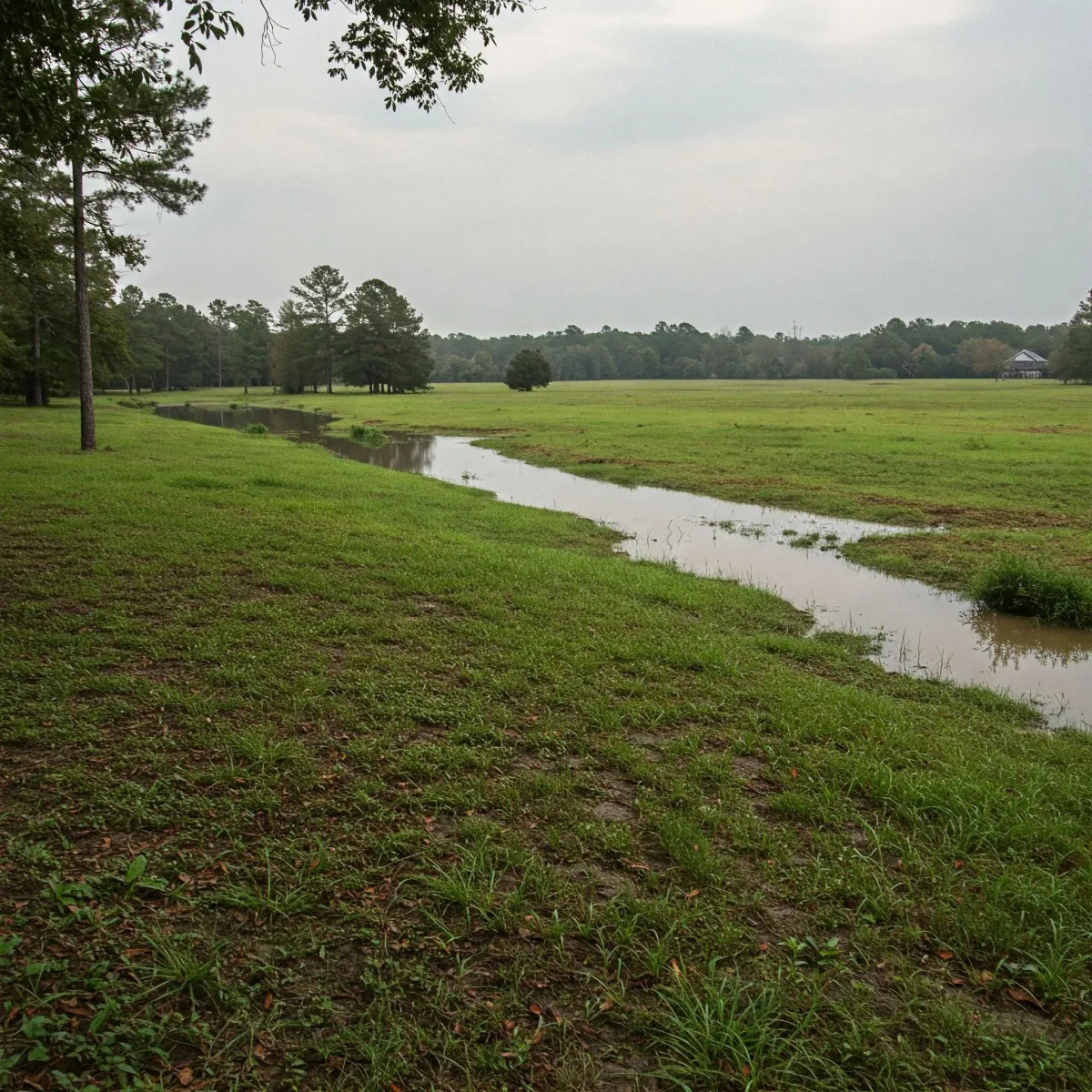
Tips for Selling South Carolina Land in a Flood Zone
Selling land in South Carolina, particularly in flood zones, can present unique challenges, but with the right strategies, you can successfully navigate this process. Understanding the complexities of flood zone properties is key to making an informed sale.
Understanding Flood Zones
In South Carolina, approximately 231,000 acres of land are located in flood-prone areas, representing about 1.2% of the state's total land. Notably, nearly 15% of all properties face substantial flood risks. This reality requires sellers to be knowledgeable about flood zone classifications, which include:
- Zone A: High-risk area with a 1% annual flooding probability.
- Zone AE: Similar to Zone A, but with additional flood data.
- Zone VE: Coastal areas with higher risks.
- Zone X: Low to moderate-risk zone.
Understanding your zone can help you strategize effectively for marketing your land.
Conduct Thorough Research
Before listing your land, gather crucial information:
1. Obtain an official flood zone determination from your local floodplain manager or through FEMA's maps.
2. Review the property's history for any past flooding.
3. Consult with local experts to understand potential future flood risks due to climate change.
4. Engage a surveyor or engineer to assess flood risks accurately.
Improve Property Appeal
Prepare your land to make it more attractive to buyers:
1. Address any drainage issues.
2. Ensure you have all necessary permits for enhancements.
3. Collect vital documents, including flood certificates, maps, and soil reports.
4. Consider obtaining flood insurance, which may appeal to cautious buyers.
Effective Selling Techniques
When promoting your flood zone land, consider these approaches:
1. Highlight unique selling points, such as scenic views or proximity to water activities.
2. Be transparent about flood risks to establish trust with potential buyers.
3. Educate buyers unfamiliar with flood zones.
4. Identify a niche market; some buyers actively seek flood zone properties.
5. Utilize social media and various online platforms to broaden your reach.
Pricing Strategy
Developing the right price for your property can be tricky. Here's how to approach it:
1. Analyze recent sales of similar properties nearby to set a baseline price.
2. Assess flood risk and adjust your price accordingly; higher risk often necessitates a lower price.
3. Contemplate the potential for elevated construction, which can enhance value.
4. Factor in insurance costs, as these will influence buyers’ budgets.
5. Maintain flexibility during negotiations since the market can fluctuate.
Legal Considerations
Be mindful of legal obligations when selling land in a flood zone:
1. Disclose all information regarding flood risks, as required by South Carolina law.
2. Understand zoning regulations which may affect property usage.
3. Be aware of environmental regulations that might apply to flood-prone areas.
4. Ensure compliance with FEMA requirements.
Seek Professional Assistance
Don't hesitate to tap into expert resources:
1. Hire a real estate agent experienced in flood zone properties.
2. enlisting a land surveyor for precise flood data.
3. Consult with environmental specialists to address ecological concerns.
4. Consider a real estate attorney to navigate legal complexities.
Explore Alternative Selling Options
If traditional selling approaches prove ineffective, consider these alternatives:
1. Investigate conservation programs that may purchase flood-prone land.
2. Research government buyout initiatives for properties in high-risk areas.
3. Look into cash buyers like Landforcashmoney.com, which specialize in land acquisitions, including flood zone properties.
Finalizing the Sale
As offers start coming in, prepare to engage with potential buyers thoughtfully:
1. Be ready to answer questions; clarity is crucial.
2. Emphasize the property’s unique qualities.
3. Be open to discussions and negotiations to find common ground.
4. Address potential concerns proactively, presenting solutions where possible.
5. Know your minimum acceptable price before negotiations begin.
Selling land in a flood zone in South Carolina may not be straightforward, but it is achievable with the right preparation and marketing. Honesty about flood risks enhances credibility, fostering trust with potential buyers. With patience and a strategic approach, you can transform the challenges of flood zone land into a successful transaction.
Frequently Asked Questions (FAQs)
How can I determine if my property is in a flood zone in South Carolina?
You can easily verify flood zone status by accessing FEMA's Flood Map Service Center online or contacting your local floodplain manager for assistance.
Will my land's value significantly decrease because it is in a flood zone?
Not necessarily. Although flood zones can affect property values, factors such as the specific zone classification, property elevation, and local demand can influence the overall valuation. Some buyers actively seek flood zone properties for various reasons.
Is disclosure required for flood zone information to potential buyers?
Yes, South Carolina law mandates that sellers disclose any known flood risks, including whether the property is located within a flood zone.
What strategies can I use when selling flood zone land?
Focus on marketing your property’s appealing features, educate buyers about flood zones and insurance options, and seek out specific market segments, such as those interested in outdoor activities or conservation.
What if my property remains unsold despite my efforts?
If traditional methods do not work, consider exploring conservation purchases, government buyout programs, or seeking offers from companies like Landforcashmoney.com that specialize in expedient land transactions.