Understanding Per Acre Land Values in Nevada: A Guide for Buyers and Sellers
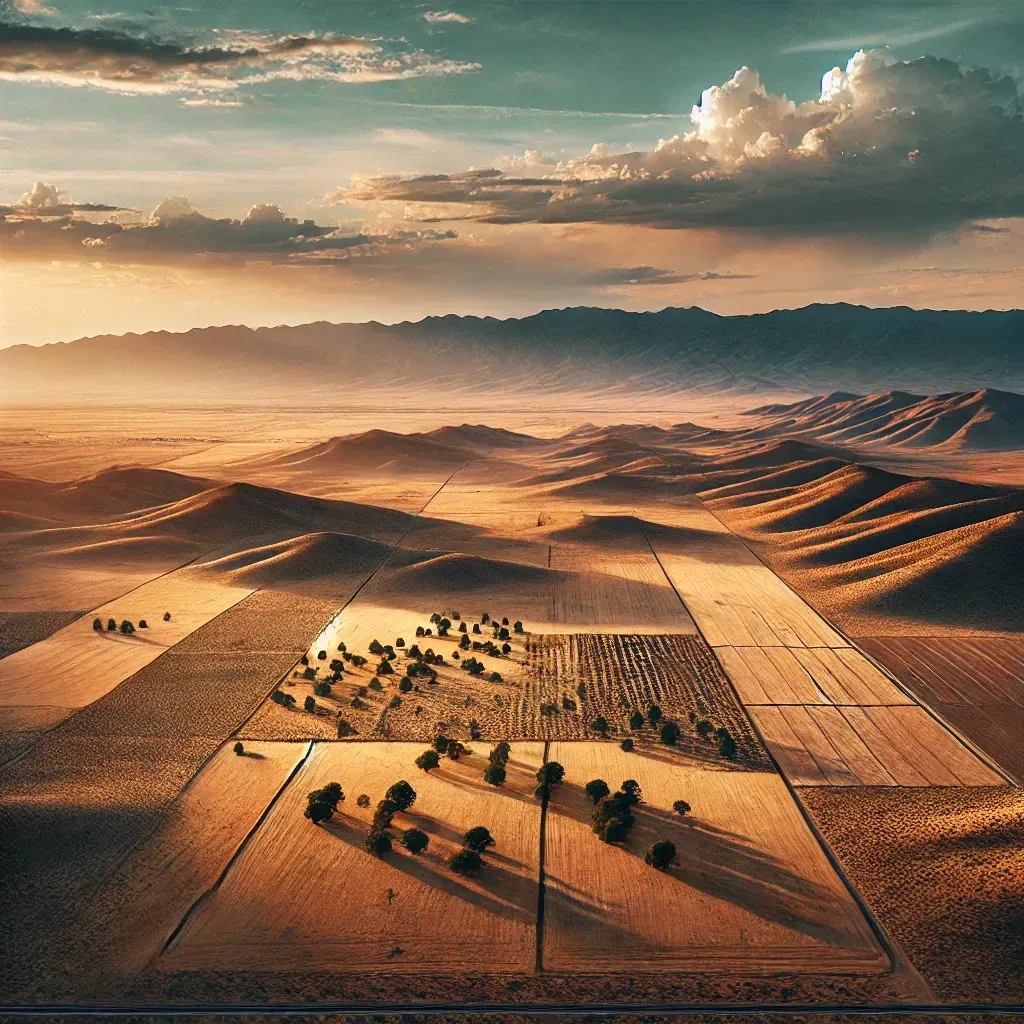
When it comes to real estate, few states offer the expansive landscapes and diverse property types that Nevada does. As the seventh largest U.S. state, Nevada boasts over 70 million acres of land yet only has around 3 million residents. This juxtaposition of vast space with a relatively low population means that opportunities for land ownership are abundant, whether you’re looking for an investment in future developments near growing economic zones or seeking a peaceful retreat away from urban life.
Nevada Land Market Overview
It's essential to understand the context of land availability and pricing in the Silver State. Currently:
- 70+ million acres of total land, with about 70% owned by the federal government (including BLM lands, national forests, and military bases).
- Approximately 7.7 million acres allocated for grazing.
- An average value of $572 per acre for cropland and pastureland.
With 10+ million acres of privately held land left to buyers like you, pricing can vary widely based on zoning and local market conditions.
Factors Affecting Land Values in Nevada
To accurately assess land prices, understanding the local market dynamics is crucial. Here are some factors to consider when determining the value of a plot of land:
1. Comparative Market Analysis: Look at recently sold properties comparable in size, location, and utility access. This step provides grounding for what similar parcels have fetched.
2. Physical Inspection: Visiting the land personally can reveal characteristics like road access, elevation, and any potential downsides that might affect its value.
3. Utility Access: Properties with nearby water sources, electricity, and high-speed internet typically command higher prices. Land development often incurs initial costs for these utilities, making ready-to-build land more desirable.
4. Zoning Regulations: Local zoning laws significantly impact land values. Properties designated for residential use, for instance, may attract higher bids from developers compared to agricultural zones.
Zoning and Use: A Critical Factor
The type of zoning a property falls under plays a vital role in its value. Here are a few scenarios:
- Residential Developments: Land with zoning for single-family subdivisions can demand much higher prices, especially in areas with rising property values.
- Commercial Viability: Properties located near busy highways or interchanges often see a spike in value due to their potential for commercial use.
- Proximity to Recreation: Land adjacent to state parks or popular outdoor spots can also fetch higher prices as buyers seek areas that offer recreational opportunities.
Recent Developments
Exciting news in the Nevada land market: our company recently acquired several parcels of land in this dynamic area. This strategic investment aligns with our goal of fostering growth and development in regions with promising economic outcomes. Our commitment to enhancing the local community through sustainable land use makes this acquisition particularly significant. By securing these properties, we aim to contribute positively to the local economy while also providing new opportunities for buyers and investors.
The Bottom Line
While Nevada presents a complex landscape for land valuation, thorough research and understanding of local conditions can lead to successful buying and selling experiences. By employing detailed analysis methodologies—considering zoning, unique land features, and comparative sales—investors can make informed decisions. As our recent land acquisition illustrates, opportunities abound for those willing to put in the time and effort to navigate this vibrant market.
Frequently Asked Questions (FAQs)
What areas of Nevada command the highest land values?
**Lake Tahoe**, particularly within Washoe County, currently experiences some of the steepest pricing, with values ranging from $700,000 to $1 million per acre.
What is the cost of land in more remote areas of Nevada?
In contrast, rural areas often see prices from $500 to $2,000 per acre, due to limited access to utilities and amenities.
How do appraisers ascertain values for residential development sites?
Appraisers typically analyze the average sales prices of homes in comparable master-planned communities against the costs of land development to provide reasonable valuations.
Can investors purchase unused government land in Nevada?
Yes, federal agencies periodically auction off surplus land parcels, but these often come with stringent use conditions.
In conclusion, understanding the Nevada land market requires a commitment to detailed research and analytical methodology. As the landscape continues to evolve, staying informed is vital for anyone involved in buying or selling land in this captivating state.