
What is a Furring Wall? Definition, Benefits, and Installation Guide
What is a Furring Wall?
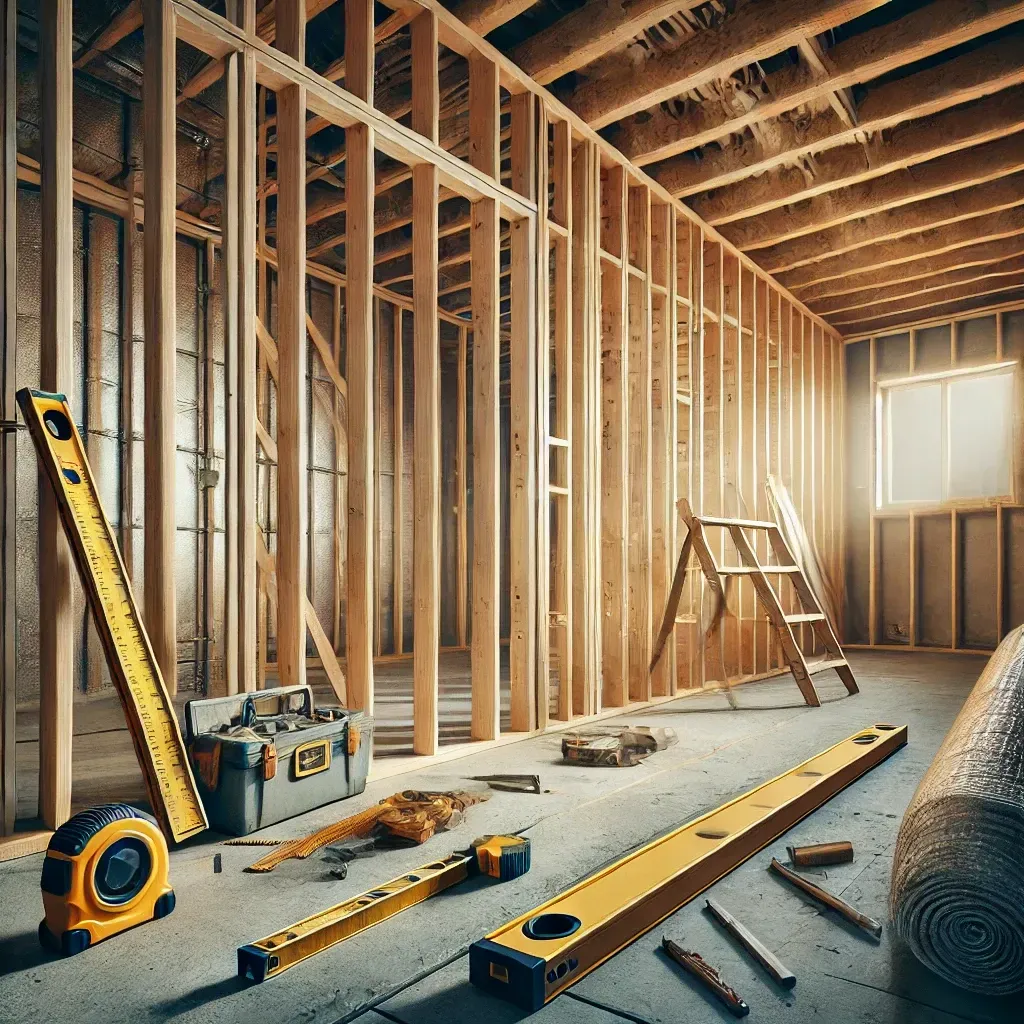
A furring wall is a vital construction method that involves attaching thin strips, known as furring strips, to an existing wall. This creates a stable framework that serves multiple purposes, including providing a level surface for attaching materials such as drywall or paneling, enhancing insulation, and accommodating utilities like plumbing or electrical wiring. Furring walls are commonly used in both residential and commercial construction projects to address uneven surfaces while improving overall wall performance.
Benefits of Furring Walls
Utilizing furring walls in your construction or renovation projects offers numerous advantages. Here are some key benefits:
- Improved Insulation: Furring walls create an additional layer of protection against thermal exchange, boosting energy efficiency.
- Soundproofing: The gap between furring strips and the existing wall significantly reduces noise transmission, creating quieter and more comfortable spaces.
- Easy Installation: The installation process is straightforward, making furring walls accessible for DIY enthusiasts or quick project renovations.
- Enhanced Aesthetics: They offer a smooth, even base for finishing materials, resulting in polished, visually appealing interior spaces.
Materials for Furring Walls
Selecting the appropriate materials for your furring wall is crucial. Here are common options:
- Wood Furring Strips: Affordable and versatile, these strips are typically made from pine or cedar and can be used in various applications.
- Metal Furring Channels: For high-end projects, metal furring channels made from galvanized steel or aluminum provide excellent strength and durability.
- Plastic Furring Strips: Moisture-resistant and lightweight, these strips are ideal for areas prone to dampness, such as bathrooms and basements, ensuring ease of installation and maintenance.
How to Install a Furring Wall
Installing a furring wall is achievable with basic tools and a little expertise. Follow these steps:
1. Prepare the Existing Wall: Start by cleaning the surface, removing dust, dirt, and any loose materials that could hinder attachment. Use a scraper to eliminate old paint or wallpaper, ensuring an even foundation for the furring strips.
2. Measure and Cut Furring Strips: Accurate measurements are essential. Use a measuring tool to determine the wall height and mark strip placement (usually 16 inches apart).
3. Attach Furring Strips: Position the strips based on your marked lines. Utilize a level to achieve perfect horizontal and vertical alignment. Secure them to the wall studs for maximum stability using screws or nails.
4. Install Insulation: If adding insulation, cut it to snugly fit between furring strips, ensuring there are no gaps or compression.
5. Apply Finishing Materials: Finally, cover the furring strips with your selected materials, such as drywall or paneling, and secure them properly to achieve a smooth finish.
Common Applications of Furring Walls
Furring walls can enhance various home improvement projects, such as:
- Basement Renovations: Straighten uneven concrete walls and improve insulation for warmth and energy efficiency.
- Attic Conversions: Create a smooth surface ideal for insulation and finishing, transforming attics into livable spaces.
- Creating Accent Walls: Use furring walls to showcase materials like shiplap or reclaimed wood for decorative accents.
Tips for Maintaining Furring Walls
Ensure your furring walls' longevity and performance with these maintenance tips:
- Regular Inspections: Check for moisture, mold, or damage periodically to address any issues promptly.
- Cleaning and Repainting: Maintain your walls’ appearance through regular cleaning and repainting as necessary.
- Monitor Insulation: Inspect installed insulation for any signs of wear or damage to ensure optimal performance.
Frequently Asked Questions
**What is the Purpose of Furring Strips?**
Furring strips create an even surface for finishing materials, boost insulation, and provide space for utilities.
**Can Furring Walls Be Used Outdoors?**
Yes, they can be utilized outdoors, providing a level surface for siding or other exterior finishes with weather-resistant materials.
**How Much Does It Cost to Install a Furring Wall?**
Costs typically range from $1 to $3 per square foot, depending on materials and project size.
Conclusion
Understanding what a furring wall is and its benefits can significantly enhance your home’s insulation, aesthetics, and functionality. Whether you are upgrading an attic, renovating a basement, or transforming a living area with a decorative touch, furring walls provide practical solutions with straightforward installation. Start your project today and discover how furring walls can elevate the comfort and visual appeal of your spaces.
For more insights about land and property investments, visit Landforcashmoney.com.
Disclaimer:** The information presented in this post is for educational purposes only and should not be taken as professional advice. Consult a qualified attorney or CPA for specific legal or financial concerns.